
White and Christian in ecology means recognizing the uniqueness of everyone and of every part of nature, and letting them be.
A Christian person is neither individualistic nor collectivistic. Such a person acts across scales, paying attention to the small and the large as needed. Large does not mean more important than small. A person of this kind understands and respects other people’s ideological stances and finds common ground for cooperation with anyone.
Being white and Christian in ecology means responsible freedom and living in peace with people, irrespective of their identities, social status, or other differences. When someone does not like peace, you offer peace; it is not tit for tat. When someone erodes, you restore.
When social statistics make you numerically dominant in a country, it means opposition to any dominance. Being a minority means acting with love to solve common problems. In both cases, the underlying value is standing on the ground in your soul for responsible freedom.
The aim of this note is not to rebrand what white and Christian may show up by failing to be such a person, and the cultural meme circulating in the media. It is about describing the reality. The reality for Christians is always put forward: the future is as important as the present. The present is not related to the future by a must, only by a need, or even lighter, by a free option. When we fail and move from freedom to a must, we undermine the future.
Beyond the ideology of relativism, perspectivism, diversity, and pluralism, every human needs a deeper foundation. For Christians, the foundation is in freedom and responsibility, and the color of their skin does not count. The title of this text could have been “Black and Christian in ecology”, or red or yellow, and the content would have been the same.
What is below this foundation does not count for ecologists, as ecology is for all, irrespective of the kind of spiritual life. Ecology is about solving here, in this world, our common problems related to nature and living a decent life, not only us, the humans, but to the extent possible, all other beings, reasonably.
Being reasonable is a fine line and requires attention, care, and respect. Ecology for all is a fine line.
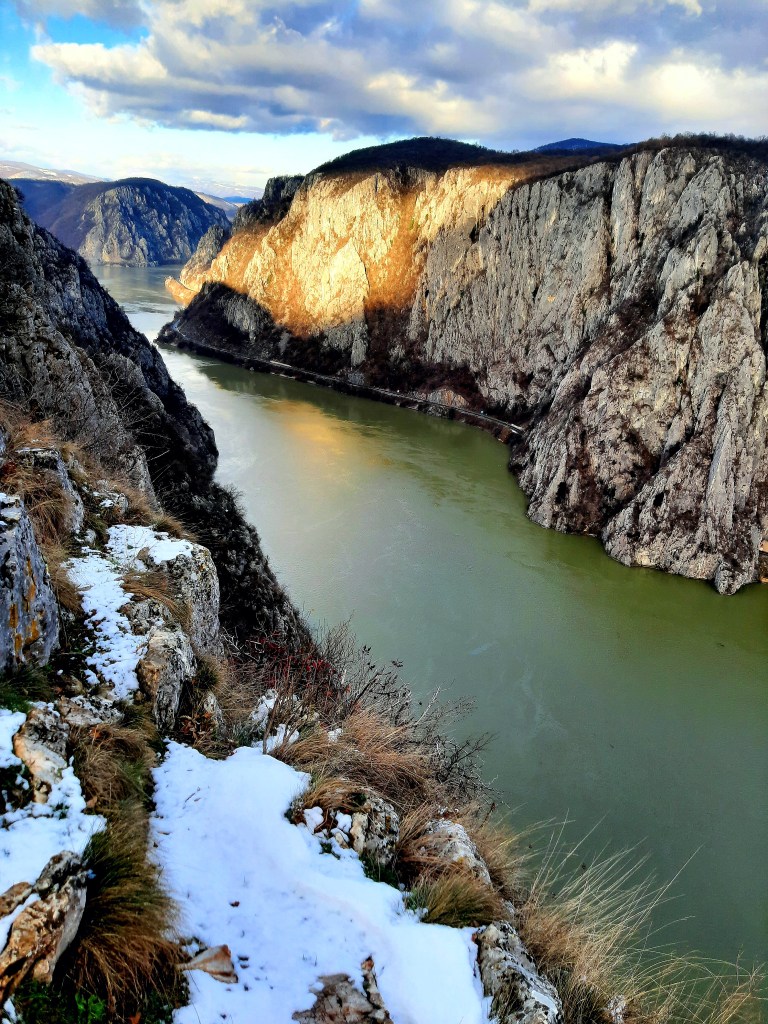
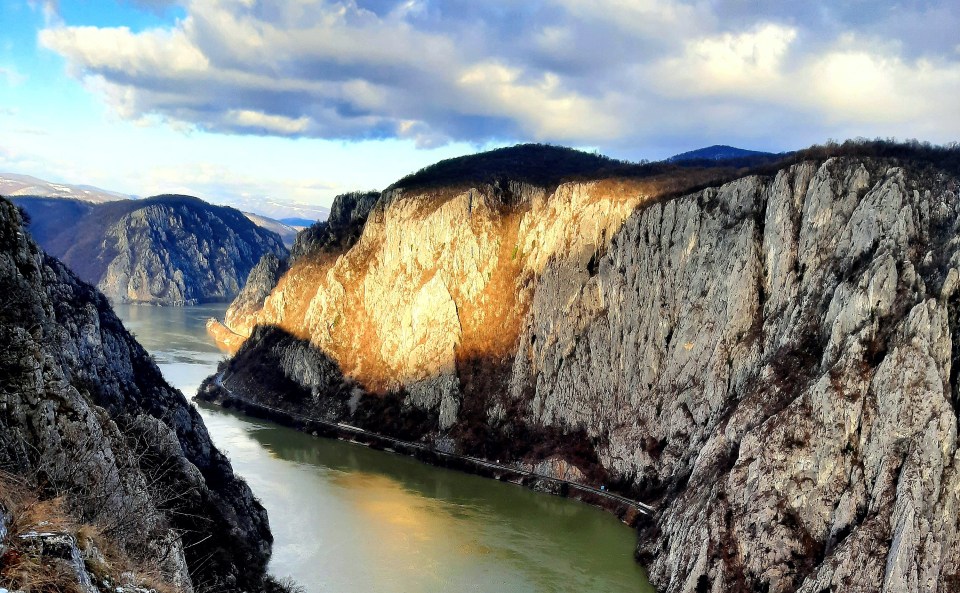
Photo: Danube Gorges, Iron Gates National Park (Romania) and Djerdap National Park (Serbia).
 Virgil Alexandru Iordache